Digitalisation - YES definitely- but not at any price
What are the advantages and disadvantages of digitisation projects?
What is driving digitalisation projects today?
Let's get one thing straight: We are absolute fans of digitalisation! At the same time, true to our company name, we always try to keep an open mind, scrutinise things and listen carefully to what our customers say or what the current trends are.
In this respect, in addition to the positive aspects of digitalisation, today we are trying to point out aspects that seem at least as worthy of attention when dealing with digitalisation.
We see ourselves as specialists when it comes to digitalisation. In such projects, we attach particular importance to taking a close look at the processes that are affected and how they should be organised in the future. Even though our focus is on the digitalisation of processes and receipts relating to travel expense accounting, we have gained a great deal of experience that can be applied to digitalisation projects in general.
Before we started digitisation projects with customers, the first step was to digitise internal processes as extensively as possible. (Even though there is certainly still further potential to be realised and a lot is still being planned).
Today, we no longer have a single physical server in the company, the processes in Sales have been completely restructured and all business applications are software as a service solutions or outsourced.
This digitalisation process is almost more evident in the fact that we have almost no business trips of our own. All sales appointments, kick-offs, training sessions and appointments in the implementation projects take place virtually. In the next steps, we will gradually create more and more documents, videos, etc., which will help our customers to implement projects to a high standard and remain successful during ongoing operations, and then make them available digitally.
As mentioned above, we are really fans of digitalisation and have achieved a very high level of efficiency and quality through our internal projects.
So what were the drivers for digitalisation?
- Increased efficiency - more output in less time
- Reduction of cost - e.g. also savings on travelling expenses, paper, printers etc.
- Increase in quality - Repeatability of processes, faster familiarisation after
onboarding
- Response to the shortage of skilled labour - creation of attractive working
environments
- Relief for existing staff - reduction of weekly working hours to 30 hours with full
pay
- Improving the eco-balance - less (to almost 0) paper, fewer (to almost 0) flights,
reduction in car journeys, etc.
All in all, we can draw a very positive balance.
But could it be that digitalisation is increasingly being pursued for the sake of digitalisation? Could it be that too many digitalisation projects no longer even ask WHY or, more importantly, for WHOM?
Is there a downside to digitalisation projects?
Let me start with a true story.
Last week I received a call from a very good business partner. She has been running a very successful travel agency for business travellers for many years. She and her team support many organisations and medium-sized companies in all aspects of travel management. And of course, digitalisation is also an important topic for them.
Most travel is booked via online booking engines (OBEs). Travel agencies have been doing this for a long time. And in recent years, more and more customers have been incorporating this into their internal processes.
This time, however, things were very different. A medium-sized manufacturing company had contacted us and made it very clear that they were fed up. They didn't want OBE. They simply wanted good service again.
At the same time, this manufacturing company is in talks with us about digitising its approval and verification processes in travel expense accounting along with all receipts.
How is that to be understood?
In an initial very open discussion, it quickly became clear what had happened here. Digitalisation had already been used in the past. Travellers booked their travel expenses via an OBE and recorded the receipts and all data via a travel expense software portal after the trip.
So, all should have been well and good, right? Not by a long shot. The processes were obviously not right, the solutions did not suit the customer. Their work had simply been transferred from A (Paper) to B (Computer) in the digitalisation project.
- Instead of travel agency specialists booking the right means of travel quickly, efficiently and with high quality, travellers had to do it themselves in an inconvenient way.
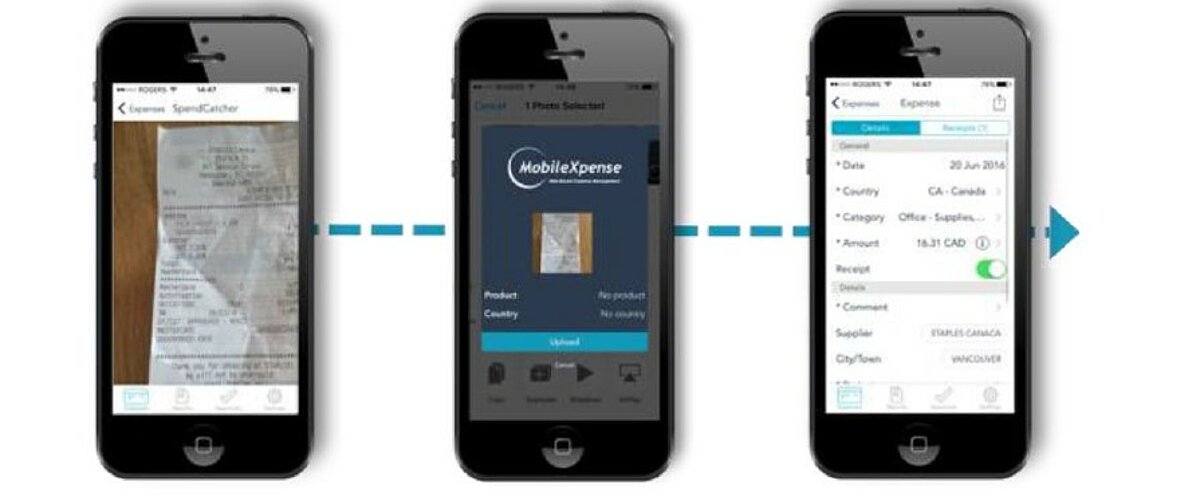
- Instead of digitising receipts quickly and easily, travellers needed hours to record them after the trip. This was either done in their free time, which caused additional frustration. Or the technicians were doing it by themselves during working hours and couldn't work for their customers in that time.
- Instead of relieving the back office of stress, more and more complicated checks were carried out in three different places than before, which also led to frustration and travellers sometimes had to wait weeks for their money.
Original quote from the customer: ‘The travel expense tool is a disaster and some travellers haven't submitted receipts from a year ago because they simply don't want to deal with the nonsense.’
So there does seem to be a downside to digitalisation. If poorly organised, it can lead to frustration, loss of efficiency, internal resignation of employees, additional work, additional costs, etc.
Conclusion
Digitalisation just for the sake of digitalisation makes absolutely NO sense.
So ask yourself for each individual project:
- What exactly should be digitalised?
- What exactly should be achieved?
- What are the advantages, the specific benefits?
- Who benefits and how?
- Where in the company will additional work be required?
- Is work or responsibility just being shifted from A to B?
- How do processes change and is this intentional?
- Are there any rebound effects and if so, where could they occur?
But the most important question from our point of view is: Does the project benefit your employees? After all, they are the ones who generate added value day in and day out, are there for your customers, etc. Improved margins due to efficiency gains through digitalisation can quickly be lost if employees (who may also have been expensively recruited and onboarded) leave the company again or resign internally.
Over the past 12 years, we have developed into experts in the digitalisation of travel expense accounting in countless projects for the introduction of travel expense accounting software.
If you would like to find out whether this is relevant for you at all or what the first concrete steps could look like for you, we will be happy to help you. For this reason, we are now also offering free 1-hour consultations. In these 45 - 60 minutes, we will work with you to find out where you stand and what your specific path to digitalisation could look like.
If this is of interest to you, please book an appointment directly here.
In any case, as always, we look forward to your feedback.
To make sure you don't miss anything, follow us on LinkedIn or facebook.
